
Create an Account
Create an account for powerful AI tools, award-winning courses, and access to our vibrant community.
or
Already have an account?
Create an account for powerful AI tools, award-winning courses, and access to our vibrant community.
Already have an account?

The art of black and white photography is a timeless and classic technique that has been used by photographers for decades. While many photographers today prefer to shoot in color, black and white photography can add a certain level of depth, drama, and emotion to a photo that color cannot always capture. In this article, we will explore some tips and techniques for mastering the art of black and white photography.
One of the most important aspects of black and white photography is contrast. The contrast between light and dark tones can create a sense of depth and drama in your photo. It’s important to pay attention to the lighting in your scene and adjust your exposure settings accordingly. Using a wider aperture can help you create a shallower depth of field, which can add more contrast to your photo.
Filters can be incredibly useful when shooting black and white photos. A red filter, for example, can darken blue skies and make clouds pop. A yellow filter can add warmth and soften skin tones, while a green filter can help bring out the details in foliage. Experiment with different filters to see what effect they have on your photos.

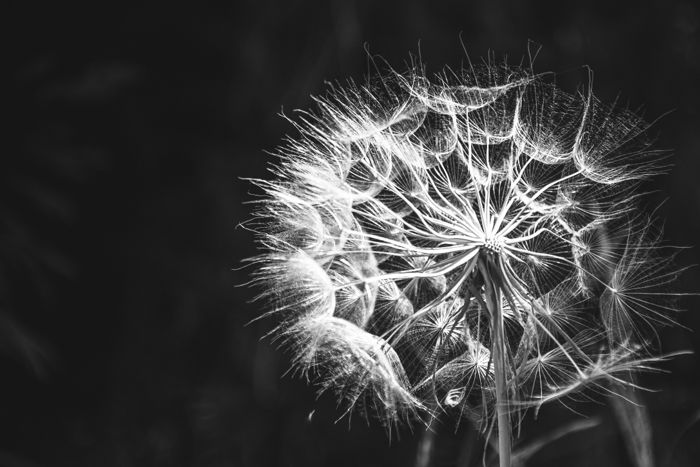
Black and white photography is all about texture. Without color, the textures in your scene become even more important. Look for interesting patterns, textures, and shapes in your scene, and use them to add interest to your photo. You can also use lighting to create interesting textures and shadows.

When shooting in black and white, it’s important to shoot in RAW format. RAW files contain more information than JPEG files, which means you’ll have more control over the final image in post-processing. Shooting in RAW also allows you to convert your photos to black and white in post-processing, which gives you even more control over the final result.
Black and white photography is often associated with emotion. By removing color from the equation, you can focus on the emotions and feelings conveyed by your subject. Look for moments that convey emotion, and use lighting, composition, and contrast to emphasize those emotions in your photo.

mastering the art of black and white photography requires a deep understanding of contrast, texture, and emotion. By paying attention to these key elements, and experimenting with filters and post-processing techniques, you can create stunning black and white photos that are both timeless and powerful. So go out and explore the world of black and white photography, and see how this classic technique can help you capture the beauty and emotion of the world around you.

Share Post